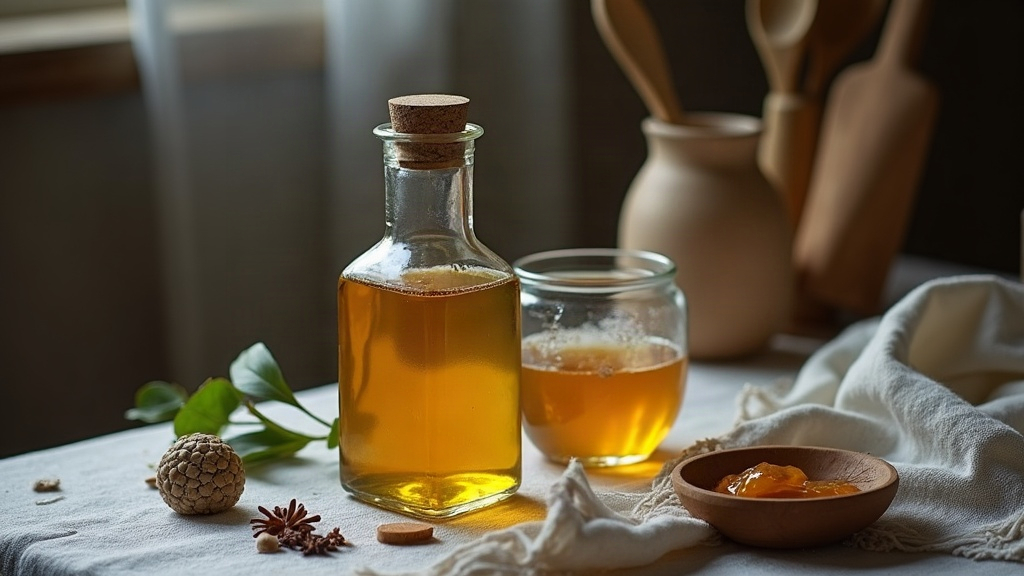
This guide looks at everyday plate-order habits and the traditional kitchen story behind Biblical drink (oil)/ Honey blend — not a fix, not a treatment, just context for daily meals. Always keep your own doctor in the loop about anything you change.
On paper, eating well sounds simple. In real kitchens, on real afternoons, it rarely feels that tidy. Here’s what that gap actually looks like day to day.
Three meals a day, seven days a week — deciding what goes on the plate can start to feel like a full-time job, especially when the 'right' answer seems to change depending on who you ask.
Cut this, avoid that, watch portions — the advice piles up faster than it clarifies anything, leaving many people guessing more than they'd like at mealtime.
That midday slump after a normal-looking lunch is a familiar rhythm for a lot of people, even when nothing about the meal looked unusual on the plate.
Waking up without much spark, before the day has even asked anything of you, is one of those small frustrations that's easy to brush off and hard to shake.
A few ideas about food repeat so often they start to sound like fact. Here’s a closer, calmer look — and a reminder that your own care team knows your situation best.
All carbohydrates are the enemy and should be avoided completely.
Carbohydrate quality and how it’s paired on the plate matter as much as the label ‘carb.’ Whole food sources eaten alongside fiber and protein behave differently than refined ones eaten alone. Speak with your doctor or dietitian about how carbohydrates fit into your personal routine.
Fruit is basically candy and off-limits.
Whole fruit comes with fiber, water, and structure that a candy bar doesn’t have. Portion, timing, and what it’s eaten with all play a role. Your healthcare provider can help you figure out what makes sense for your own meals.
‘Diabetic food’ products are the only safe option.
Many everyday meals can be built around plate order and portion awareness without relying on specialty labeled products. There’s no substitute for guidance from the professional who knows your history and treatment plan.
None of this is about a single ingredient doing the work. It’s about small, repeatable habits around how and when food is eaten.
Many home cooks instinctively started meals with vegetables or protein before moving to starchier foods. That old habit of sequencing a plate is worth revisiting, not reinventing.
Eating at a slower, steadier pace — actually chewing, actually pausing — changes the whole feel of a meal, independent of what’s on the plate.
A short, easy walk after a meal is a habit older than most modern diet advice, and it’s one that fits into almost any routine without much fuss.
Long before it had a modern name, the pairing of oil and honey shows up again and again in old kitchen traditions across the Mediterranean and the Middle East — drizzled over warm bread, stirred into simple dressings, or offered as a gesture of hospitality at the table. Historical texts and old household records mention the combination more as a pantry staple and a mark of generosity than as anything else. It traveled through generations of home cooks the way a lot of pantry staples do: passed down, adapted, and folded into whatever dish was on the table that day.
The story here is cultural and culinary — a thread connecting old kitchens to modern ones — not a claim about what it does inside the body.
If your energy through the day feels different than it used to, that's worth bringing up at your next appointment rather than guessing on your own.
When certain meals regularly leave you feeling off in ways you can't quite explain, your doctor is the right person to help sort out what's going on.
Noticeable shifts in hunger or appetite are worth mentioning to the professional who already knows your history and your treatment plan.
Ongoing trouble sleeping, or waking up still tired, is a good topic for a conversation with your healthcare provider, not a do-it-yourself project.
If you're unsure whether your current eating routine still fits your situation, ask your doctor or dietitian before making changes on your own.
If you're wondering how meals, timing, or habits relate to anything your doctor has prescribed, that question belongs with them — never with guesswork.
These are individual accounts shared for illustrative purposes only. They describe personal routines and impressions, not medical outcomes, and results or experiences vary from person to person. Always talk with your own doctor about your treatment and any changes to your routine.
Explore how a simple habit — the order food hits the plate — fits into everyday meals, alongside the traditional story of Biblical drink (oil)/ Honey blend. This is educational content only; keep working with your doctor on anything related to your treatment or diagnosis.
Advertising Disclosure: This page contains sponsored content and affiliate links. We may receive compensation if you click a link or make a purchase through the links on this page. This helps support the operation of this website at no additional cost to you.
Content Disclaimer: The content on this page is provided for educational and informational purposes only and has not been evaluated by the Food and Drug Administration. It is not intended to diagnose, treat, cure, or prevent any disease and should not be used as a substitute for advice from a qualified healthcare professional. Always consult your doctor or another qualified healthcare provider before making any changes to your diet, routine, or any prescribed treatment.
Results Disclaimer: Individual results and experiences vary from person to person. Any testimonials or personal accounts shared on this page reflect individual opinions and are not a guarantee of similar outcomes for anyone else.
© 2026 · All Rights Reserved